
Free spin offers Canada players see online can make a promotion look more important than the controls surrounding it. A more useful comparison begins with how an account helps someone limit deposits, manage losses, monitor time and step away when gambling no longer feels recreational. The information behind the lussurio casino promo code should therefore be read alongside the operator’s available account controls, not separately from them. Responsible tools do not remove risk or guarantee a fixed outcome, but they can turn vague intentions into practical boundaries before play begins.
Which account limits matter most before playing?
Deposit limits are usually the clearest starting point because they restrict how much money can be added during a chosen period. Depending on the account interface and its current terms, a player may be able to set a daily, weekly or monthly ceiling. The important decision is not simply choosing a number that feels comfortable today. It is choosing an amount that remains affordable after ordinary expenses, savings commitments and unexpected costs have been considered.
Loss limits address a different question. A deposit limit controls money entering the account, while a loss limit focuses on the amount a player is prepared to lose over a stated period. These controls can be useful for people who tend to redeposit after an unsuccessful session. They should not be treated as a way to predict results, recover losses or create a personal gambling budget that exceeds available disposable income.
Wagering limits may also appear among the available controls. They can restrict the amount staked rather than the amount deposited or lost, which makes them useful for slowing play. Before confirming any setting, read how the account defines the period, whether the limit applies across all games and whether changes take effect immediately or after a waiting period. If the interface is unclear, ask support for the exact operation of each control.
How can time controls change a gambling session?
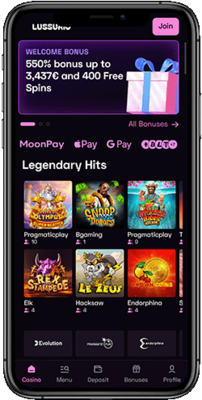
Time is easy to underestimate when games are fast, mobile-friendly and continuously available. A session limit or time reminder can interrupt automatic play by showing how long an account has been active. Reality checks serve a similar purpose: they bring elapsed time and activity back into view when attention has narrowed to the next spin, hand or round.
A practical approach is to decide the session length before opening the account and set an alarm outside the gambling platform as a second reminder. Avoid extending the session simply because a limit has been reached or because the result has been disappointing. If a tool pauses play, treat that pause as a decision point rather than a minor inconvenience to work around.
Time controls are particularly useful when gambling is mixed with other activities. Playing late at night, while drinking or during work breaks can make it harder to judge duration and spending clearly. A short session does not automatically mean low risk, since rapid games can involve many decisions in a small period. Combining a time limit with a deposit or loss limit creates a broader boundary than relying on any one setting.
What should happen when a cooling-off period is needed?
A cooling-off period is designed for a temporary break. It can suit someone who notices that gambling has become distracting, emotionally charged or more frequent than planned but does not want to make a permanent decision immediately. The duration and activation process may differ, so check the account’s stated conditions before selecting it. During the break, do not attempt to bypass the restriction through another account.
Self-exclusion is a stronger step for someone who wants gambling access stopped for a defined period or indefinitely. It should be considered when limits are repeatedly increased, losses are chased, secrecy is becoming necessary or gambling is interfering with relationships, work, study or essential spending. Account restrictions may not address every gambling opportunity elsewhere, so additional support and blocking measures can be worthwhile.
Keep a record of the request, the selected duration and any confirmation received. If the account remains accessible after a restriction should have taken effect, contact the operator through its published support channel and avoid further play while the issue is clarified. The Responsible Gambling Council’s public information can also help Canadian readers consider warning signs and support options without treating a casino control as a complete solution.
Are free spins compatible with a personal spending plan?
Free spins are not the same as free cash. A promotion may have wagering requirements, a maximum eligible win, a time limit, restricted games or a requirement to make a qualifying deposit. Some offers may also contribute differently depending on the game category. The exact rules should be read before activation, particularly where the offer is linked to a code, referral route or a specific deposit.
A safer comparison separates promotional value from the amount a player is willing to risk. If a qualifying deposit is needed, that deposit should already fit within the planned budget; it should not be justified by the possibility of unlocking spins. Do not add funds to complete a promotion after reaching a spending limit. If the promotion cannot be understood without doing complicated calculations, declining it may be the more practical choice.
Bonus balances can also change the way people play. Wagering requirements may encourage longer sessions, larger stakes or repeated deposits, even when the original intention was casual entertainment. Set the account limits before accepting the offer and check whether bonus-funded play is included in the limit calculations. If withdrawing would cancel a bonus, decide in advance whether preserving the promotion is worth keeping funds exposed to further play.
How should Canadians review the controls after setting them?
Controls are only useful if they match actual behaviour. Review account history periodically for deposits, withdrawals, session length and changes in stake size. Look for patterns such as adding funds soon after a loss, playing at unusual hours, using money intended for bills or feeling relief only when gambling stops. A written record can reveal gradual changes that are easy to dismiss one session at a time.
Keep gambling money separate from essential finances and avoid using credit or borrowed funds for play. Decide what will happen if the planned limit is reached: stop for the period, close the session and move to another activity. Do not treat a later win as evidence that previous spending was acceptable, and do not treat a loss as a debt that must be recovered through more gambling.
Reconsider access if the controls are being overridden mentally or technically. A stronger break, self-exclusion or conversation with a qualified support service may be appropriate. Friends or family can provide accountability if that feels safe, while professional help is important when gambling is connected to distress, debt or loss of control. No promotion, game result or account feature can make gambling risk-free, so the most protective decision may be not to play.
Responsible-play questions worth asking
Can deposit limits prevent gambling losses?
No. A deposit limit can restrict how much is added to an account, but it cannot guarantee a particular result or prevent losses within that amount. It may also not cover spending on other gambling services. Use it as one boundary alongside loss, time and wagering limits, and review whether the chosen amount remains affordable.
Should I accept free spins if wagering terms are unclear?
It is safer to wait or decline until the conditions are understandable. Check the qualifying deposit, wagering calculation, eligible games, expiry period, maximum withdrawal and any win cap. Do not assume that “free” means withdrawable cash. If support cannot explain the applicable terms clearly, avoid depositing solely to obtain the promotion.
When is self-exclusion more suitable than a short break?
Self-exclusion may be more suitable when temporary breaks have not worked, limits are repeatedly changed, losses are chased or gambling is affecting finances and relationships. It is a firm access restriction rather than a budgeting tool. Consider combining it with external support, payment safeguards and practical steps that reduce exposure to gambling advertising or sites.